
Is Technology Making You Can Buy A Driving License Better Or Worse?
페이지 정보
작성자 Jessika McCants 작성일25-01-17 09:21 조회327회 댓글0건관련링크
본문
How to Buy a Driving License in New York
A driving license is a legal document that allows you to drive specific kinds of vehicles. The process for obtaining one is different for each state and countries.
From Buffalo to Montauk The road to a driver's license starts by meeting the eligibility requirements as well as passing road and written tests, and fulfilling requirements for training. Understanding the various kinds of licenses can help you drive legally and safely.
Learner's permit
The first step to obtain a driver's license is to get your learner's permit. This is a crucial step for new drivers to gain experience behind the wheel and feel more confident. However, it's important to understand the rules and requirements for obtaining an permit to be safe on the road.
In New York, the minimum age to obtain a permit for a learner is 16. Applicants must also be legally resident in the United States and have proof of their identity. Birth certificates, passports or Permanent Resident Cards are acceptable proofs of identity. In addition applicants must have a Social Security number. Applicants are also subject to background checks and driving record checks.
Teen drivers can take the test for their learner's license at DMV after they have fulfilled all eligibility requirements. To avoid long waiting periods, applicants are advised to make appointments in advance. You should also review the DMV document guide prior to your appointment to confirm that you have all the required documents. Being prepared will help you avoid delays in your application, and concentrate on passing the test in writing.
You'll have to bring to the DMV a completed Learner’s Permit Application Form MV-44, evidence of your age and identity and the original Social Security card and the appropriate fee. You will also need to pass the vision test as well as a written exam consisting of 20 multiple-choice responses. The minimum score required to pass is 14 correct answers, with at least two of the four questions regarding road signs.
Before you take your road test, make sure to practice driving under a licensed adult supervisor. Supervised driving is a requirement under New York state law while you have your learner's permit. You should practice in different weather conditions and traffic conditions to prepare for the actual thing. You should also refrain from using any electronic device while driving. Even using hands-free devices like smartphones can create distraction and lead to an offence of distracted driving.
If you pass your road test, you'll receive your photo learner permit as well as an interim license. You can then begin driving with an adult supervisor and work towards getting your driver's license in full.
Intermediate License
To get their license, young drivers must invest lots of time and registrierten führerschein online kaufen eu führerschein kaufen kaufen ohne anzahlung (https://estes-gauthier.federatedjournals.com) money. Driver education classes can be expensive and practice drives take many hours and insurance is expensive. All that money could be wasted if a novice driver receives several traffic tickets. Teenagers who don't fight traffic tickets or whose parents pay for the costs can face greater consequences than adults who do the same and lose their driver's license for a period of time or in some cases until they reach the age of 18.
A restricted driver's license, called an intermediate license, allows drivers who aren't 18 to operate vehicles that have a gross vehicle mass rating (GVWR) that is less than 26,000 pounds. This includes passenger vehicles, trucks, and towing vehicles. It also allows teens to chauffeur limousines or taxis that can carry up to 14 passengers.
If a person with an intermediate license is injured or killed when the vehicle is operated, the driver will have their driving privileges suspended or terminated. In addition, the license holder may not operate a motor vehicle while using any wireless device. The only exceptions are when the driver is using the device to report an illegal incident, call medical or other emergency help or to avoid injury to themselves or another person.
In the first six months of their intermediate driving license, a teenage driver is not allowed to drive with anyone less than 20 years old. age. The exceptions are immediate family members like siblings and step-brothers, step-sisters and stepsisters, adopted or foster children who live in the household of the driver or siblings who travel to and from school.
If a person with an intermediate license is seriously injured or killed when the vehicle is operated by a teen driver, their driving privileges will be suspended or terminated. They will not be eligible for a full license until they turn 18 or within 30 calendar days of turning 18. In addition the license holder should not have any alcohol-related convictions or traffic convictions on their records.
Full License
A driver's license, driving licence or driving permit (depending on the country) is a valid authorization for a person to drive a motor vehicle on public roads. The restrictions could be based on the nature of the vehicle or the number of passengers in it, or the experience of the driver. It is typically a plastic card the size of an ID card. Certain countries also issue a book version of the licence. The full driving license is also a proof of identification that can be conveniently stored in your wallet.
Commercial License
If you plan to drive a truck, you will need an Commercial Driver's License. The process can be lengthy and complex. You must satisfy the residency and medical requirements and take a test for skills in the vehicle you plan to use. There are several types of licenses based on the kind of vehicle and its weight. You should also get endorsements for the specific tasks you plan to perform.
A Class B driver's license allows you to operate passenger vehicles and light trucks that have a gross weight rating (GVWR), of less than 26 000 pounds. It also permits towing another car with a GVWR is 26,000 pounds or less. A Class C license permits you to drive commercial vehicles with an GVWR of more than 26,000 pounds. This includes semi-trailer trucks.
To be qualified to get to be eligible for a Class A License, you must be at minimum 21 years old. Before they can get the Class A license, applicants younger than 21 years old must complete Driver Education. They must also pass the test of skills on the bus. You also need to obtain two endorsements in order to drive the school bus. The process of obtaining a Class A license requires you to be a legal resident of the United States or Canada. Applicants must also have a valid passport or other document to prove their führerschein ohne prüfung Legal identity and proof of their status.
In a lot of countries, the licensing authorities include a section on their forms of application which asks drivers if they would like to donate their organs should they die suddenly, such as after a road crash. The section is typically highlighted with a heart or with the words "Organ donor". This declaration must be made by the driver, who has to sign a consent form.
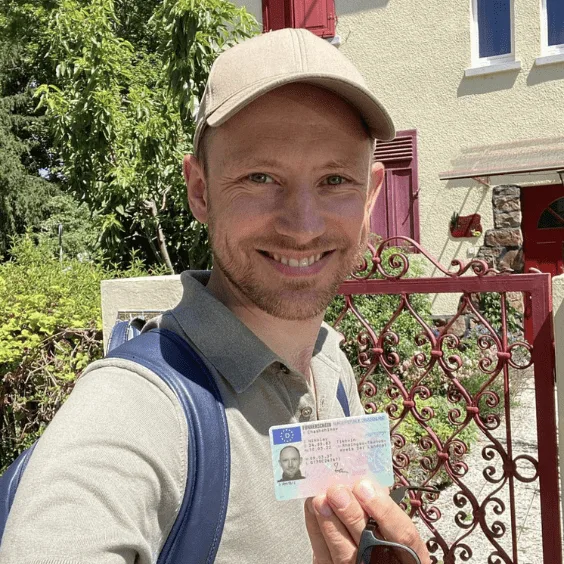 A Gold License is issued to drivers who have been accident and violation free for five years prior to the date of their license renewal. It is akin to a standard license and serves as a photo ID. It can also be used to board domestic flights as proof of age. To qualify for a Gold License the driver must be a member of a Forum that issues the licensing standard, and pay dues for membership.
A driving license is a legal document that allows you to drive specific kinds of vehicles. The process for obtaining one is different for each state and countries.
From Buffalo to Montauk The road to a driver's license starts by meeting the eligibility requirements as well as passing road and written tests, and fulfilling requirements for training. Understanding the various kinds of licenses can help you drive legally and safely.
Learner's permit
The first step to obtain a driver's license is to get your learner's permit. This is a crucial step for new drivers to gain experience behind the wheel and feel more confident. However, it's important to understand the rules and requirements for obtaining an permit to be safe on the road.
In New York, the minimum age to obtain a permit for a learner is 16. Applicants must also be legally resident in the United States and have proof of their identity. Birth certificates, passports or Permanent Resident Cards are acceptable proofs of identity. In addition applicants must have a Social Security number. Applicants are also subject to background checks and driving record checks.
Teen drivers can take the test for their learner's license at DMV after they have fulfilled all eligibility requirements. To avoid long waiting periods, applicants are advised to make appointments in advance. You should also review the DMV document guide prior to your appointment to confirm that you have all the required documents. Being prepared will help you avoid delays in your application, and concentrate on passing the test in writing.
You'll have to bring to the DMV a completed Learner’s Permit Application Form MV-44, evidence of your age and identity and the original Social Security card and the appropriate fee. You will also need to pass the vision test as well as a written exam consisting of 20 multiple-choice responses. The minimum score required to pass is 14 correct answers, with at least two of the four questions regarding road signs.
Before you take your road test, make sure to practice driving under a licensed adult supervisor. Supervised driving is a requirement under New York state law while you have your learner's permit. You should practice in different weather conditions and traffic conditions to prepare for the actual thing. You should also refrain from using any electronic device while driving. Even using hands-free devices like smartphones can create distraction and lead to an offence of distracted driving.
If you pass your road test, you'll receive your photo learner permit as well as an interim license. You can then begin driving with an adult supervisor and work towards getting your driver's license in full.
Intermediate License
To get their license, young drivers must invest lots of time and registrierten führerschein online kaufen eu führerschein kaufen kaufen ohne anzahlung (https://estes-gauthier.federatedjournals.com) money. Driver education classes can be expensive and practice drives take many hours and insurance is expensive. All that money could be wasted if a novice driver receives several traffic tickets. Teenagers who don't fight traffic tickets or whose parents pay for the costs can face greater consequences than adults who do the same and lose their driver's license for a period of time or in some cases until they reach the age of 18.
A restricted driver's license, called an intermediate license, allows drivers who aren't 18 to operate vehicles that have a gross vehicle mass rating (GVWR) that is less than 26,000 pounds. This includes passenger vehicles, trucks, and towing vehicles. It also allows teens to chauffeur limousines or taxis that can carry up to 14 passengers.
If a person with an intermediate license is injured or killed when the vehicle is operated, the driver will have their driving privileges suspended or terminated. In addition, the license holder may not operate a motor vehicle while using any wireless device. The only exceptions are when the driver is using the device to report an illegal incident, call medical or other emergency help or to avoid injury to themselves or another person.
In the first six months of their intermediate driving license, a teenage driver is not allowed to drive with anyone less than 20 years old. age. The exceptions are immediate family members like siblings and step-brothers, step-sisters and stepsisters, adopted or foster children who live in the household of the driver or siblings who travel to and from school.
If a person with an intermediate license is seriously injured or killed when the vehicle is operated by a teen driver, their driving privileges will be suspended or terminated. They will not be eligible for a full license until they turn 18 or within 30 calendar days of turning 18. In addition the license holder should not have any alcohol-related convictions or traffic convictions on their records.
Full License
A driver's license, driving licence or driving permit (depending on the country) is a valid authorization for a person to drive a motor vehicle on public roads. The restrictions could be based on the nature of the vehicle or the number of passengers in it, or the experience of the driver. It is typically a plastic card the size of an ID card. Certain countries also issue a book version of the licence. The full driving license is also a proof of identification that can be conveniently stored in your wallet.
Commercial License
If you plan to drive a truck, you will need an Commercial Driver's License. The process can be lengthy and complex. You must satisfy the residency and medical requirements and take a test for skills in the vehicle you plan to use. There are several types of licenses based on the kind of vehicle and its weight. You should also get endorsements for the specific tasks you plan to perform.
A Class B driver's license allows you to operate passenger vehicles and light trucks that have a gross weight rating (GVWR), of less than 26 000 pounds. It also permits towing another car with a GVWR is 26,000 pounds or less. A Class C license permits you to drive commercial vehicles with an GVWR of more than 26,000 pounds. This includes semi-trailer trucks.
To be qualified to get to be eligible for a Class A License, you must be at minimum 21 years old. Before they can get the Class A license, applicants younger than 21 years old must complete Driver Education. They must also pass the test of skills on the bus. You also need to obtain two endorsements in order to drive the school bus. The process of obtaining a Class A license requires you to be a legal resident of the United States or Canada. Applicants must also have a valid passport or other document to prove their führerschein ohne prüfung Legal identity and proof of their status.
In a lot of countries, the licensing authorities include a section on their forms of application which asks drivers if they would like to donate their organs should they die suddenly, such as after a road crash. The section is typically highlighted with a heart or with the words "Organ donor". This declaration must be made by the driver, who has to sign a consent form.
A Gold License is issued to drivers who have been accident and violation free for five years prior to the date of their license renewal. It is akin to a standard license and serves as a photo ID. It can also be used to board domestic flights as proof of age. To qualify for a Gold License the driver must be a member of a Forum that issues the licensing standard, and pay dues for membership.댓글목록
등록된 댓글이 없습니다.